

Understanding Land Clearing Regulations and Facts About Forest Fires in Kalimantan
by: Nouval Agung Bima
A. Land Clearing Practices Based on West Kalimantan Provincial Regulation Number 1 of 2022 concerning Land Clearing for Cultivation Based on Local Wisdom
1. Understanding Local Wisdom-Based Land Clearing Regulations
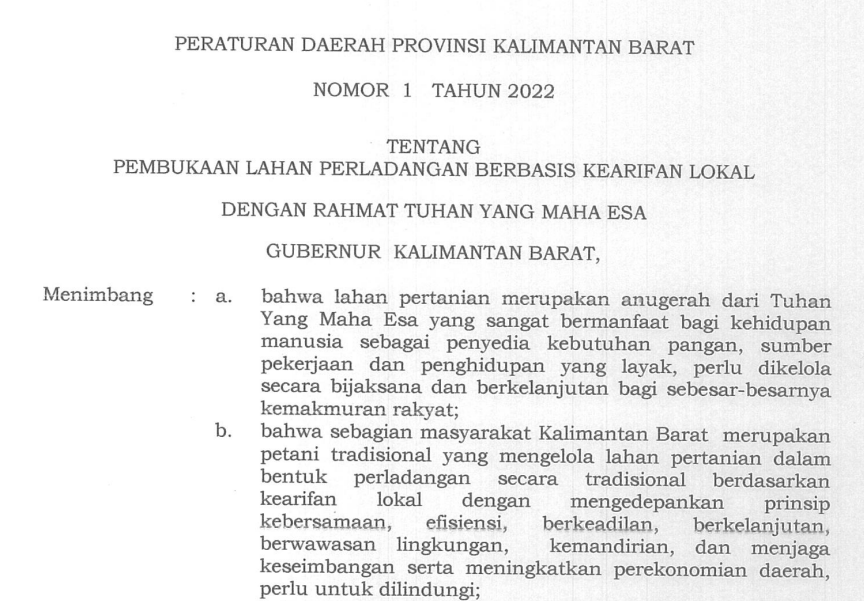
In West Kalimantan, some communities still practice traditional farming practices closely linked to local wisdom and meeting food needs. This practice is one of the contexts for the birth of West Kalimantan Provincial Regulation Number 1 of 2022 concerning Land Clearing for Cultivation Based on Local Wisdom (Perda Provinsi Kalbar 1/2022). The presence of this regulation demonstrates that land clearing is not solely a technical issue of fire use, but also relates to protecting livelihoods, culture, and legal certainty for the community. Therefore, understanding land clearing regulations needs to be done in conjunction with a broader view of the forest and land fires issue, including monitoring business activities and holding accountable parties found to have committed environmental violations.
West Kalimantan Provincial Regulation 1/2022 was formulated with consideration for communities managing agricultural land through traditional farming practices based on local wisdom. This consideration is reflected in section “Menimbang” (Considering) letter b, which emphasizes the importance of protecting farming practices based on the principles of togetherness, justice, sustainability, and environmental awareness.
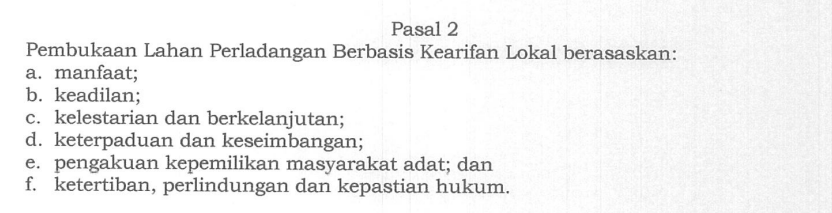
This recognition is then reinforced through Article 2, which stipulates justice, sustainability and continuity, as well as recognition of indigenous peoples’ ownership as the basis for opening up agricultural land based on local wisdom.
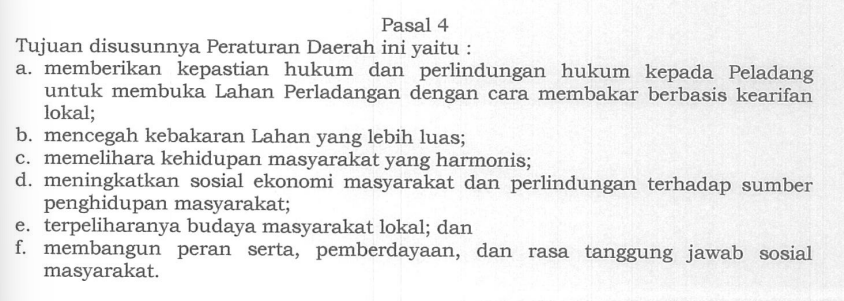
Meanwhile, Article 4 places legal certainty and protection for farmers, improving the socio-economic conditions of the community, and maintaining local culture as part of the objectives of establishing regional regulations.
These provisions demonstrate that land clearing regulations in West Kalimantan are not solely focused on fire control but also consider the social and cultural conditions of the community. For communities that depend on traditional farming for their livelihoods, access to land is linked to food sustainability and cultural practices passed down from generation to generation. Therefore, forest and land fire prevention policies must consider the rights and needs of the community without neglecting environmental protection. However, the terms “cultivators,” “traditional farmers,” and “Indigenous Law Communities” (MHA) do not always have identical legal scopes. Recognition of MHA rights in a broader context still requires consideration of statutory provisions regarding indigenous communities and their rights to their territories.
2. Land Burning Exceptions in Indonesian Environmental Law
Regulations regarding land clearing based on local wisdom are based on Law Number 32 of 2009 concerning Environmental Protection and Management (Law 32/2009 concerning PPLH).
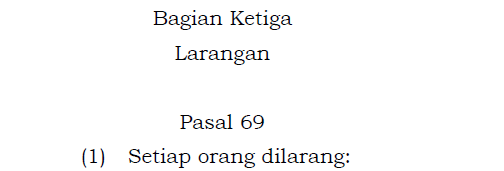

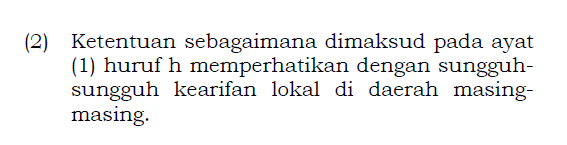
Article 69 paragraph (1) letter h basically prohibits land clearing by burning. However, Article 69 paragraph (2) exempts this prohibition for communities who carry out activities by paying close attention to local wisdom in their respective areas. The explanation of Article 69 paragraph (2) explains that the local wisdom in question includes burning a maximum of two hectares of land per head of family to plant local varieties, with fire breaks to prevent the spread of fire to surrounding areas.
These exceptions demonstrate that Indonesian environmental law recognizes the specific context in which community land clearing practices exist. In other words, the prohibition on land burning cannot be read in isolation from the exceptions explicitly stipulated in the law. This provision provides an important basis for understanding that traditional farming practices that meet legal requirements cannot be equated with land burning that violates environmental regulations. However, these exceptions are not unlimited permissions. Land size, planting purposes, use of firebreaks, and other applicable requirements must still be considered.
3. Limitations and Requirements in West Kalimantan Provincial Regulatation 1/12022
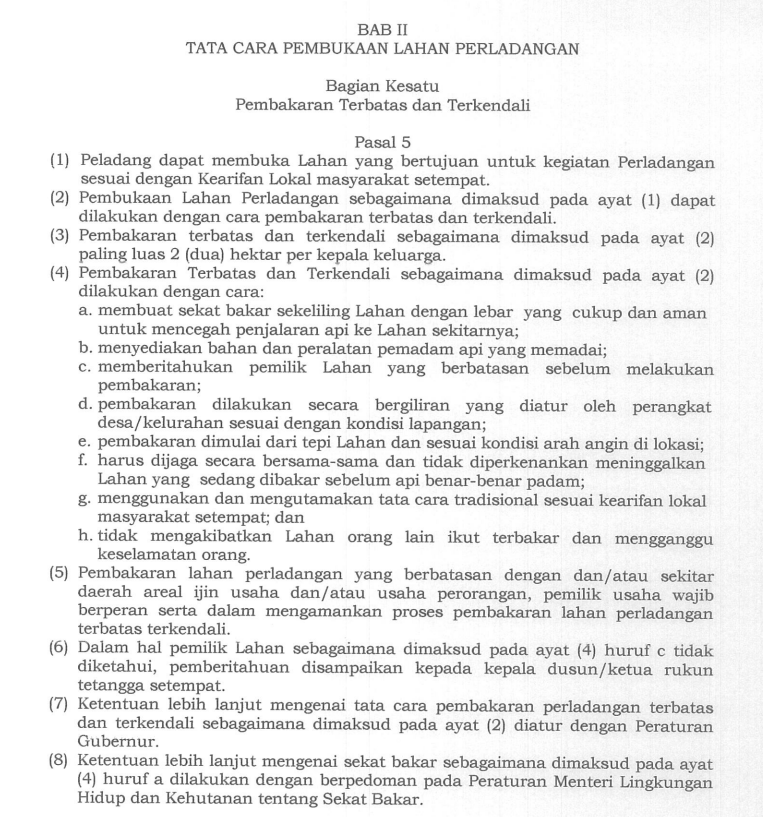
These requirements demonstrate that recognition of traditional farming practices is accompanied by efforts to limit fire risks. This regulation does not grant unchecked land burning, but rather establishes procedures that must be observed during implementation. This provision also emphasizes the importance of community and local government involvement in oversight. From an environmental protection perspective, recognizing local wisdom and preventing forest and land fires should be understood as two goals that can go hand in hand through consistent implementation of regulations that are tailored to conditions on the ground.
B. Are All Land Burnings the Same?
Discussions on forest and land fires require a distinction between land clearing for traditional farming and land clearing for business purposes. Community farming can be related to meeting food needs and cultural practices, while corporate activities occur within the framework of applicable business activities, permits, and environmental obligations. This difference in context is crucial for understanding each party’s obligations. Article 5 of West Kalimantan Provincial Regulation 1/2022 specifically regulates land clearing for farming based on local wisdom, including area limits and fire control requirements. Therefore, this provision cannot be automatically applied to justify burning in business activities that are subject to different legal provisions.
This distinction does not mean that community farming practices are always risk-free, or that every fire in a company’s area is necessarily caused by the corporation. Assessing a fire still requires information regarding the location, extent of the affected area, environmental conditions, the cause of the fire, and evidence of the actions and obligations of the relevant parties. However, discussions of forest and land fires should not stop at community land clearing practices. Land use for business activities, concession area management, and compliance with fire prevention obligations are other aspects that require serious examination.
Thus, the key issue is not simply whether land clearing uses fire, but rather how the activity is carried out, what regulations apply, and who is responsible for violations. This approach helps avoid generalizations about indigenous communities while also opening up space for a more comprehensive examination of land governance and corporate activities.
C. Observing the Facts of Forest and Land Fires in Company Concession Areas
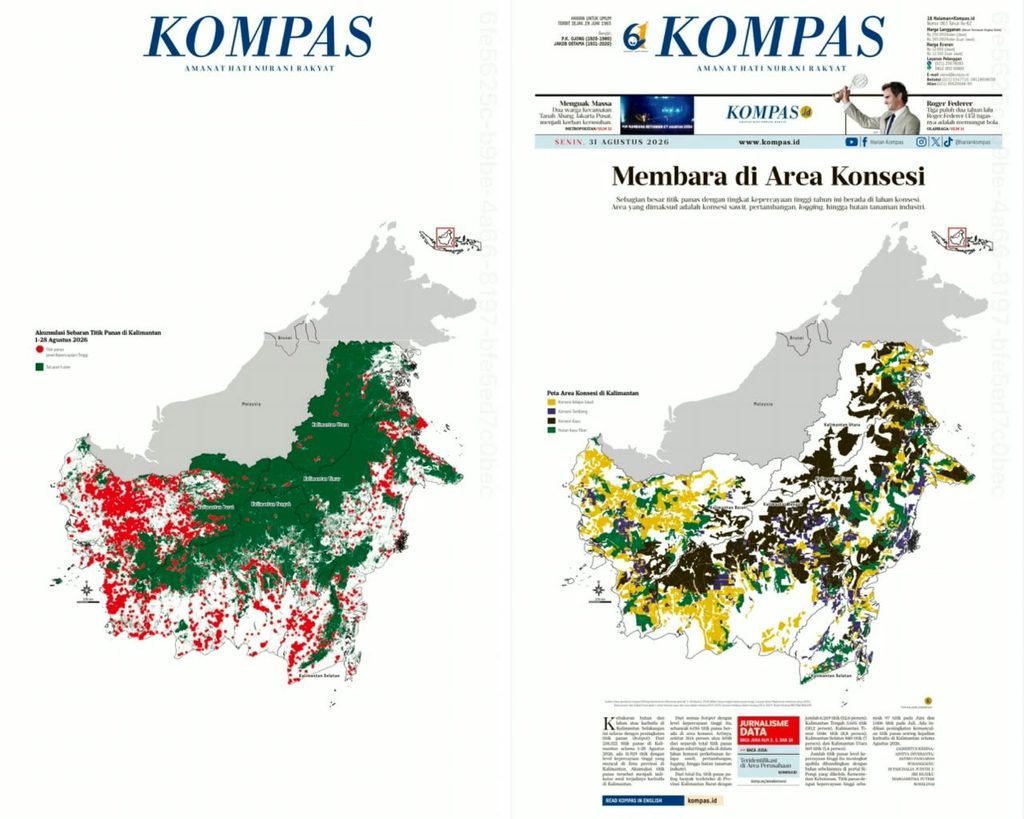
Source: Kompas
1. Hotspots within Company Concessions in Kalimantan
The high level of attention paid to community land clearing practices needs to be balanced with tracking of fires occurring in company concession areas. In a press release titled “Forest and Land Fires as a State-Corporate Crime” published on August 25, 2026, the Indonesian Forum for the Environment (WALHI) reported that from January to August 2026, there were 1,259 hotspots with a high level of confidence within company concessions in Kalimantan. Of these, 776 were detected in plantation or palm oil concessions, while 483 were in Forest Utilization Business Permit (PBPH) concessions. WALHI also highlighted West Kalimantan as an area with a high concentration of hotspots, with 573 in plantation concessions and 251 in PBPH concessions. These findings demonstrate that company concession areas need to be a key component in forest and land fire tracking and prevention efforts.
2. Corporate Responsibility for Environmental Protection
a. Administrative Sanctions
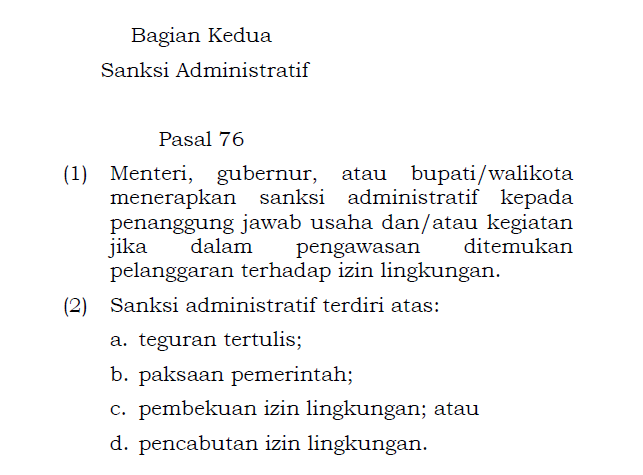
Article 71 & Article 76 of Law 32/2009 concerning PPLH: Provides authority to the Minister, Governor, or Regent/Mayor to supervise and impose administrative sanctions on those responsible for businesses.
b. Criminal Liability
Criminal liability for corporations whose concession areas catch fire, whether due to intent or negligence in the fire prevention system, is based on three main laws:
- Law 32/2009 concerning Environmental Management and Management:
- Article 69 paragraph (1) letter h: Strict prohibition on clearing land by burning.
- Article 108: Criminal sanctions for deliberate land burning include a minimum of 3 years and a maximum of 10 years in prison, as well as a fine of between IDR 3 billion and IDR 10 billion.
- Article 98 & Article 99: Regulates criminal penalties for negligent or deliberate acts that result in exceeding ambient air quality standards or environmental damage.
- Article 116 paragraph (1): Affirms that if an environmental crime is committed by, for, or on behalf of a business entity, criminal charges and criminal sanctions will be imposed on the business entity (corporation) and/or the person giving the order/acting as leader.
- Article 119: Additional penalties for corporations include confiscation of profits, closure of all/part of the business premises, or reparations for the consequences of the crime (land restoration).
- Law 41/1999 Concerning Forestry
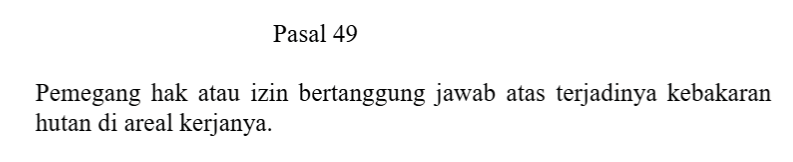
- Article 49: Emphasizes the absolute obligation that rights or permit holders are responsible for forest fires in their work areas.
- Article 78 paragraph (4): Criminal provisions for negligence or allowing fires to occur in concession work areas.
- Law 1/2023 (National Criminal Code)
- Articles 45 to 49: Generally regulate the criminal mechanism for corporations if the crime provides benefits, is carried out in the name of, or is part of corporate policy.
c. Civil Liabililty
- Article 87 paragraph (1) of Law 32/2009 concerning Environmental Management: Stipulates that every business person responsible for committing an unlawful act that causes environmental damage is obliged to pay compensation and/or carry out certain remedial actions.
- Article 88 of Law 32/2009 concerning Environmental Management (PPLH) (Strict Liability): This article is the state’s primary weapon for suing corporations. It states that those responsible for businesses whose activities pose a serious threat to the environment are strictly liable for any losses incurred without the need for proof of fault. This means that as long as a fire is proven to have damaged the ecosystem within the company’s concession boundaries, the corporation is obligated to pay compensation for restoration, even if they claim the fire originated from outside.
D. Protecting Local Wisdom, Strengthening Environmental Accountability
West Kalimantan Provincial Regulation 1/2022 demonstrates that land clearing based on local wisdom has social, economic, cultural, and environmental dimensions that must be considered simultaneously. Through Articles 2, 4, and 5, the regulation recognizes the importance of legal protection for farmers while establishing limits and requirements for limited and controlled burning. This regulation aligns with the exceptions recognized in Article 69 paragraph (2) of Law 32/2009 concerning Environmental Management and Management, which provides space for land clearing practices based on local wisdom while adhering to applicable regulations.
However, forest and land fire prevention efforts cannot stop at regulating community farming practices. Monitoring concession areas, implementing environmental obligations by business actors, and following up on alleged violations are also essential components of environmental governance. Therefore, handling forest and land fires must be based on evidence, differentiated activity contexts, and enforced accountability in accordance with legal provisions. Protecting the local wisdom of indigenous communities is not a barrier to environmental protection. Instead, both can be part of efforts to achieve fair, sustainable, and accountable land management.
Edited by: Anisa Khalilatuz Zahra
Bibliography
Legislation
Law Number 41 of 1999 concerning Forestry
Law Number 32 of 2009 concerning Environmental Protection and Management
Law Number 1 of 2023 concerning the Criminal Code
West Kalimantan Provincial Regulation Number 1 of 2022 concerning the Opening of Agricultural Land Based on Local Wisdom
Internet
Indonesian Forum for the Environment, “Forest and Land Fires as a State-Corporate Crime,”https://www.walhi.or.id/karhutla-sebagai-kejahatan-negara-korporasi” accessed October 20, 2026.
Picture